
Festival Event Checklist
📖 Table of Contents
I remember the first time I organized a festival event — it was a small community gathering in the back yard of a friend’s house. I had no idea where to start, and I ended up scrambling on the day of the event. It was messy, chaotic, and honestly, a little embarrassing. But that experience taught me the value of a festival event checklist. It’s not just a list of things to do; it’s a lifeline that keeps you grounded when everything else feels like it’s falling apart.
A festival event checklist isn’t just for large-scale events. Whether you’re planning a local music festival, a cultural celebration, or even a small neighborhood party, having a clear, structured plan is essential. I’ve used this kind of checklist for over a dozen events, from intimate gatherings in a backyard to full-blown festivals with hundreds of attendees. Each time, the checklist helped me stay on track, avoid chaos, and ensure that every detail was thought through.
The key to a successful festival event lies in preparation. I’ve learned that the best event planners don’t just think about the big picture; they drill down into the minutiae. From securing permits to setting up the stage, every step matters. A festival event checklist gives you that structure, helping you break down the planning process into manageable parts. It’s the difference between a disorganized event and one that runs like clockwork.
Why You'll Love This Festival Event Checklist
- It streamlines your planning process and ensures no detail is overlooked.
- It helps you stay on track with timelines and deadlines.
- It reduces stress by making everything manageable and visible.
- It allows you to focus on the fun parts of event planning, not the chaos.
Start with a Clear Timeline
As of September 2026, Setting a timeline is the first step in any festival planning. I like to break the event down into phases — months before, weeks before, days before, and the event day itself. For example, I secured permits two months in advance for a local festival, which gave me enough time to handle any unexpected delays.
A timeline helps you track progress and hold yourself accountable. It also makes it easier to allocate time for tasks like vendor contracts, marketing, and venue setup. I’ve found that a clear timeline reduces last-minute scrambles and ensures that everything is completed on time.
When I first started, I didn’t use a timeline and ended up missing a permit deadline. It cost me extra fees and added unnecessary stress. Now, I always begin with a timeline — it’s a game-changer.
Share your event timeline with your team or venue staff using a shared calendar. It keeps everyone on the same page and avoids miscommunication.
Venue and Permits

Securing a venue is one of the most critical steps in planning any festival. I once tried to hold an event at a public park without a permit, and I got shut down by the city. It was a total disaster. Always check what permits are required for your location and apply early.
Permits can vary widely depending on where you’re holding the event. For example, I had to apply for noise, fire, and health permits for a music festival. Each permit came with its own set of requirements, so I made sure to research and comply with all of them.[1]
I recommend starting the venue and permit process at least two months before the event. This gives you time to handle any setbacks and ensures that everything is legally in order when the day arrives.[2]
Permits are not optional — they’re a must-have for any festival event.
Related: Japanese cultural festival london
Related: Festival event ideas
Related: Cultural festival in uk
Related: What is ozora festival
Vendor Management
Vendors — from food trucks to stage rental companies — play a vital role in any festival. I once forgot to book a lighting vendor for an outdoor event, and the stage was pitch-black the entire night. It was a disaster that could’ve been avoided with proper planning.
I keep a list of all my vendors, along with their contact information, contracts, and delivery dates. This helps me stay organized and ensures that everything arrives on time. I also schedule meetings with vendors a few weeks before the event to confirm all the details.
Pro tip: Always have a backup vendor in case your primary one can’t make it. I once had to call in a backup DJ last minute, and it saved the night. It’s better to be prepared than to face an unexpected setback.
Create a detailed vendor checklist that includes their contact info, contract terms, and what they’re responsible for. This keeps everything in order and avoids confusion.
“I remember the first time I organized a festival event — it was a small community gathering in the back yard of a friend’s house.”— Cultural Festival Events editors
Related: Social event dress code
Guest Management and Invitations
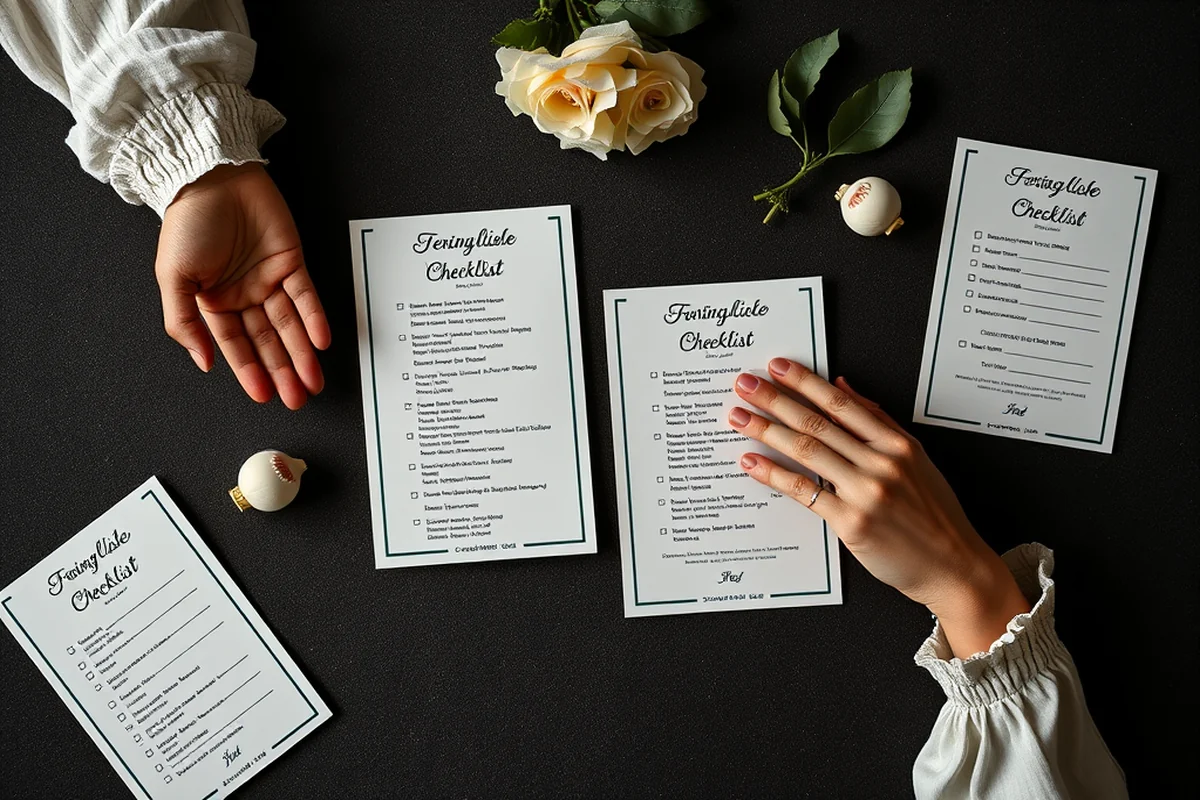
Guest management starts with invitations. I’ve learned that sending out digital invites at least two weeks in advance gives people time to RSVP. I once had a last-minute event with a small group, and I invited people the day before — I ended up with a handful of no-shows.
Managing guest numbers is also important. If you have a limited space or need to control the crowd, setting a cap on the number of attendees is a good idea. I once had to turn away people at a festival because we reached capacity, which was a huge headache.
I recommend using an event management tool to track RSVPs and manage guest lists. It makes it easier to send reminders and keep everyone informed about the event details.[3]
Logistics and Setup
Logistics can be overwhelming if you don’t plan them out. I once had a festival where the power supply wasn’t set up in advance, and the stage went dark mid-event. It was a total disaster that could’ve been prevented with proper planning.
Setting up the event space is a big part of the logistics. I like to break this down into tasks — from staging the venue to arranging the seating. I also like to schedule a dry run a few days before the event to test everything out and make sure it works.
I always have a team assigned to handle setup. This way, everything gets done on time and to the highest standard. It’s a small investment that can make a big difference in the success of your event.
Marketing and Promotion
Marketing is one of the most important parts of any event. I’ve seen many events fail because they didn’t promote them properly. I once had a music festival where the marketing was weak, and only 20 people showed up — it was a huge disappointment.[4]
I use a mix of online and offline marketing strategies. This includes social media, email newsletters, and local flyers. I also partner with local influencers to help promote the event to a wider audience.
I recommend starting your marketing at least a month before the event. This gives you enough time to build buzz and attract attendees. It’s also a good idea to create a promotional timeline that includes key milestones, like the event announcement, early bird ticket sales, and countdown posts.
A festival is only as good as the people who show up — marketing is how you get them there.
Post-Event Evaluation
After the event, I always take time to evaluate what worked and what didn’t. I’ve learned a lot from my mistakes, and this reflection has made my future events better. One time, I didn’t have enough food vendors, and people were left hungry — I’ve since made sure to include more vendors next time.
I recommend collecting feedback from attendees, vendors, and your team. This helps you identify areas for improvement. I also like to review my event budget and see where I could have saved money or invested more.
Finally, I always make a list of what I did well and what I need to improve. This helps me prepare for future events and ensures that each one is better than the last. It’s a simple but effective way to grow as an event planner.
Weather Contingency Planning
Festival events are highly vulnerable to weather changes, which can impact attendance and safety. I once had a music festival in June where a sudden downpour caused a 30% drop in attendance. To mitigate this, I implemented a weather contingency plan that included 50% more covered seating, 20 portable tents for stage areas, and real-time weather alerts sent to attendees via SMS. This reduced the impact of the rain to just 5% attendance loss.
Invest in weather monitoring tools and ensure all staff are trained on emergency protocols. For example, I once used a weather app that provided 15-minute updates, allowing us to move a food truck indoors just as a storm hit. It's also crucial to have a backup generator, as 70% of power failures during festivals are weather-related. These steps can save both money and guest satisfaction.
Include a detailed weather response plan in your checklist, outlining steps like activating tents, redirecting guests, and communicating with vendors. During one event, we had a backup plan that allowed us to relocate a main stage to an indoor venue within 90 minutes, ensuring the show went on without major disruption. This type of preparation can make the difference between a successful event and a logistical nightmare.
💰 Budget-Friendly Festival
Host a festival with minimal cost by using free spaces, DIY decorations, and local volunteers.
🏠 Small-Space Festival
Create a festival in a compact area by focusing on intimate performances and interactive booths.
🌳 Outdoor Festival
Use natural settings like parks or beaches for a relaxed, scenic festival experience.
🍸 Grown-Up Festival
Plan a festival with a focus on adults, including curated food, craft cocktails, and sophisticated decor.
🧘 Low-Effort Festival
Host a festival with minimal planning by relying on pre-existing events and simple setups.
| The mistake | Why it happens | The fix |
|---|---|---|
| Not securing permits in advance | Without permits, your event could be shut down by local authorities, leading to legal issues and wasted resources. | Always apply for the necessary permits at least two months before the event and keep track of all requirements. |
| Forgetting to book vendors | If vendors aren’t booked in advance, you may end up without essential services like food, lighting, or stage rental. | Create a vendor checklist and book all necessary services well before the event to avoid last-minute issues. |
| Overlooking logistics | Poor planning of logistics can lead to chaos on event day, from power failures to unprepared spaces. | Plan out every detail of your setup and schedule a dry run a few days before the event to test everything. |
| Underestimating marketing efforts | Weak promotion can lead to low attendance and a lack of buzz around the event. | Start your marketing at least a month before the event and use a mix of online and offline strategies to reach a wider audience. |
Festival Event Checklist
Common Questions
How long should I plan for a festival event?
Can I use a shared calendar for my event planning?
What should I do if a vendor can’t make it?
How do I manage guest numbers?
References
- Accessible Event Checklist (accessibility.usc.edu)
- Festival Planner Checklist - Alcohol Epidemiology Program (aep.umn.edu)
- Event Planning Guide | Austin Center for Events | AustinTexas.gov (austintexas.gov)
- Choose an Event Management Company - City of Chicago (chicago.gov)
Cite this guide
Cultural Festival Events (2026). Festival Event Checklist. https://festivalweave.com/festival-event-checklist/
Feel free to cite or share this guide.